


Introduction
In today’s fast-changing world, building the right abilities is more important than ever. The job market is evolving quickly due to technology, automation, and global competition. Because of this, understanding the skills you need for future career success has become essential for students, professionals, and job seekers alike. Traditional education alone is no longer enough to guarantee long-term success. Instead, individuals must focus on continuous learning and personal development to stay relevant in their fields.
Many industries are now demanding a combination of technical knowledge, soft skills, and adaptability. Employers are not just looking for qualifications but also for problem-solving abilities, communication strength, and digital literacy. The skills you need for future career success include a blend of both human and technical capabilities that help individuals perform effectively in modern workplaces.
Whether you are starting your career or looking to grow in your current role, developing future-ready skills will give you a strong advantage. In this article, you will learn what these skills are, why they matter, and how you can build them step by step. You will also discover benefits, common mistakes, and expert tips to help you prepare for long-term career growth in any industry.
What is Skills You Need for Future Career Success?
The term skills you need for future career success refers to the essential abilities required to thrive in modern and upcoming job markets. These skills include both technical skills like digital literacy, data handling, and AI awareness, as well as soft skills such as communication, teamwork, and emotional intelligence.
Future career success is not limited to one industry. Instead, it applies across all fields, including business, healthcare, education, IT, and engineering. As industries evolve, employees must adapt by learning new tools, improving thinking abilities, and staying flexible.
In simple terms, the skills you need for future career success are the combination of knowledge, behavior, and technical expertise that help individuals remain valuable in the workplace. These skills ensure long-term stability and career growth in an ever-changing world.
Why is Skills You Need for Future Career Success Important?
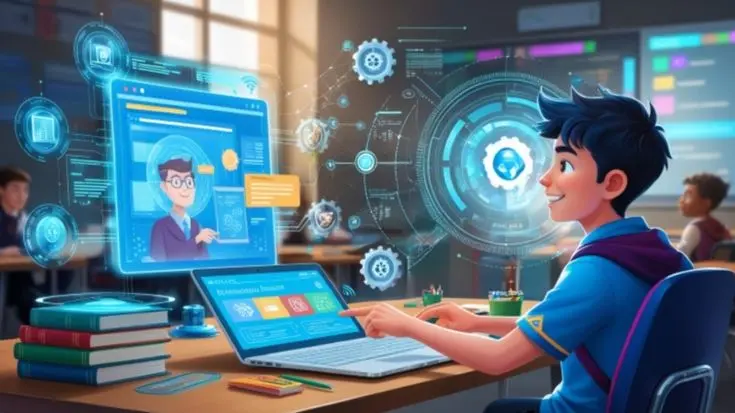
Understanding the importance of the skills you need for future career success is critical in today’s economy. The workplace is being reshaped by automation, artificial intelligence, and remote working trends. Because of this, job roles are changing faster than ever before.
First, these skills help individuals stay competitive. Without upgrading skills, professionals risk becoming outdated. Second, they improve job performance and efficiency, allowing workers to handle complex tasks more easily. Third, they open up better career opportunities, promotions, and higher salaries.
Moreover, employers now prefer candidates who are adaptable and quick learners. Even if someone has technical knowledge, lacking soft skills can limit career growth. Therefore, balancing both types of skills is necessary for long-term success.
In addition, the skills you need for future career success also help in personal development. They improve confidence, decision-making, and leadership abilities. This makes individuals more capable of handling challenges in both professional and personal life.
Detailed Step-by-Step Guide
Step 1: Develop Digital Literacy
In the modern world, digital literacy is a must-have skill. It includes understanding computers, software, online tools, and basic data handling. Learning how to use digital platforms efficiently will help you stay relevant in almost every industry.
Step 2: Improve Communication Skills
Strong communication is one of the most important skills you need for future career success. It includes speaking clearly, writing professionally, and listening effectively. Good communication improves teamwork and reduces misunderstandings.
Step 3: Build Critical Thinking Ability
Critical thinking allows you to analyze situations and make better decisions. Instead of reacting quickly, you learn to evaluate facts and choose the best solution. This skill is highly valued in leadership roles.
Step 4: Learn Problem-Solving Skills
Every job comes with challenges. Problem-solving helps you find practical and creative solutions. Employers prefer individuals who can handle issues independently without constant supervision.
Step 5: Develop Emotional Intelligence
Emotional intelligence helps you understand and manage your emotions and those of others. It improves relationships, teamwork, and workplace harmony. This is a key part of the skills you need for future career success.
Step 6: Adaptability and Flexibility
Industries are constantly changing. Being adaptable allows you to adjust quickly to new systems, technologies, and roles. Flexible employees are more likely to succeed in long-term careers.
Step 7: Time Management
Managing time effectively ensures productivity and reduces stress. Prioritizing tasks and setting goals helps you complete work efficiently and on time.
Benefits of Skills You Need for Future Career Success
- Increases job opportunities across different industries
- Improves career growth and promotion chances
- Enhances problem-solving and decision-making abilities
- Builds confidence in professional environments
- Helps in adapting to new technologies and systems
- Strengthens teamwork and leadership skills
- Improves productivity and efficiency
- Ensures long-term career stability
Disadvantages / Risks
- Requires continuous learning and effort
- Can be time-consuming to master multiple skills
- May feel overwhelming for beginners
- Needs consistent practice to maintain effectiveness
- Rapid changes in technology may require frequent updates
Common Mistakes to Avoid
Many people make mistakes while developing the skills you need for future career success. One common mistake is focusing only on technical skills and ignoring soft skills. Another mistake is stopping learning after getting a job. Continuous improvement is necessary for growth.
Some individuals also try to learn too many skills at once, which leads to confusion. It is better to focus on one skill at a time and master it properly. Additionally, not applying learned skills in real situations reduces their effectiveness. Practice is essential for long-term success.
FAQs
1. What are the most important future career skills?
The most important skills include digital literacy, communication, problem-solving, adaptability, and emotional intelligence.
2. Why are future skills important for students?
They prepare students for real-world jobs and increase employability in competitive markets.
3. Can I learn these skills online?
Yes, many platforms offer courses, tutorials, and practice materials to develop future career skills.
4. How long does it take to build these skills?
It depends on consistency. Some skills may take weeks, while others may take months of practice.
5. Are soft skills more important than technical skills?
Both are equally important. A balance of soft and technical skills ensures better career success.
6. How can I improve my career skills quickly?
Practice daily, take online courses, read industry-related content, and apply skills in real situations.
Expert Tips & Bonus Points
Experts suggest starting with small and consistent learning goals. Focus on improving one skill at a time instead of trying to learn everything at once. Networking with professionals can also help you understand industry demands better.
Another useful tip is to practice real-life scenarios. This helps in strengthening your understanding and improves confidence. Reading books, attending workshops, and joining online communities are also effective ways to grow.
Always stay updated with industry trends. The skills you need for future career success may evolve over time, so continuous learning is the key to staying ahead.
Conclusion
In conclusion, the skills you need for future career success are essential for building a strong and stable professional life. As industries continue to evolve, individuals must adapt by learning new abilities and improving existing ones. Relying only on traditional education is no longer enough in today’s competitive world.
Developing a mix of technical and soft skills ensures that you remain valuable in any job market. Skills such as communication, digital literacy, problem-solving, and emotional intelligence play a major role in career growth. These abilities not only improve job performance but also help in personal development and confidence building.
The future belongs to those who are willing to learn and adapt. By investing time in developing the skills you need for future career success, you increase your chances of achieving long-term stability and growth. Whether you are a student, beginner, or professional, it is never too late to start improving yourself.
