

Introduction
Online learning has completely changed the way people gain new skills, improve careers, and explore new interests. Today, online course platforms have become one of the most powerful tools for education because they offer flexibility, affordability, and global access to knowledge. Whether you are a student, working professional, or someone who simply wants to learn something new, these platforms provide endless opportunities.
In the past, learning required physical classrooms, strict schedules, and limited resources. However, now you can access thousands of courses from expert instructors with just a few clicks. This shift has made education more inclusive and practical for everyone. Online course platforms are not only helping individuals but also businesses that want to train employees efficiently.
The demand for online learning is increasing rapidly due to digital transformation. From programming and digital marketing to design and personal development, everything is available online. But with so many options available, choosing the right platform can be confusing. That’s why understanding how these platforms work and what they offer is important.
What are Online Course Platforms?
Online course platforms are digital learning systems that allow users to access educational content over the internet. These platforms host courses created by instructors, universities, or industry experts and provide structured learning experiences.
They typically include video lectures, quizzes, assignments, certificates, and sometimes live classes. Some platforms focus on academic learning, while others specialize in professional skills or creative fields.
Popular online course platforms include Udemy, Coursera, Skillshare, LinkedIn Learning, and edX. Each platform offers different features, pricing models, and course categories. Some are free, while others require subscriptions or one-time payments.
These platforms act as a bridge between learners and educators. They remove geographical barriers and make quality education accessible to anyone with an internet connection.
Why are Online Course Platforms Important?
Online course platforms are important because they provide flexible and affordable learning opportunities. Unlike traditional education, they allow learners to study at their own pace without time restrictions.
One major reason for their importance is accessibility. People from different parts of the world can access the same quality education without traveling or relocating. This is especially helpful for those who cannot afford expensive institutions.
Another reason is career growth. Many industries are changing rapidly, and professionals need to upgrade their skills regularly. Online learning platforms make it easy to stay updated with new technologies and trends.
Additionally, these platforms support lifelong learning. Whether someone is 18 or 50 years old, they can continue learning new skills anytime. This makes education more practical and continuous.
Detailed Step-by-Step Guide
Step 1: Identify Your Learning Goal
Before choosing any platform, clearly define what you want to learn. It could be coding, marketing, design, or personal development. Having a goal helps you select the right courses.
Step 2: Compare Different Platforms
Not all online course platforms are the same. Compare features like course quality, pricing, certifications, and instructor expertise. This helps you make an informed decision.
Step 3: Check Course Quality
Always check course reviews, ratings, and previews. High-quality courses usually have detailed content, practical examples, and experienced instructors.
Step 4: Choose Free or Paid Options
Many platforms offer both free and paid courses. If you are a beginner, start with free courses. Later, you can invest in premium courses for advanced learning.
Step 5: Create a Learning Schedule
Consistency is key in online learning. Set a daily or weekly schedule to complete your courses on time and avoid procrastination.
Step 6: Practice Regularly
Learning is not complete without practice. Apply what you learn through projects, assignments, or real-life tasks.
Step 7: Earn Certificates
Many platforms offer certificates after completion. These certificates can help improve your resume and job opportunities.
Benefits of Online Course Platforms

- Flexible learning from anywhere at any time
- Affordable compared to traditional education
- Wide range of subjects and skills available
- Access to expert instructors worldwide
- Self-paced learning options for better understanding
- Career advancement opportunities
- Certification for professional growth
- Interactive learning through quizzes and assignments
Disadvantages / Risks
- Lack of personal interaction with teachers
- Requires self-discipline and motivation
- Some courses may lack quality
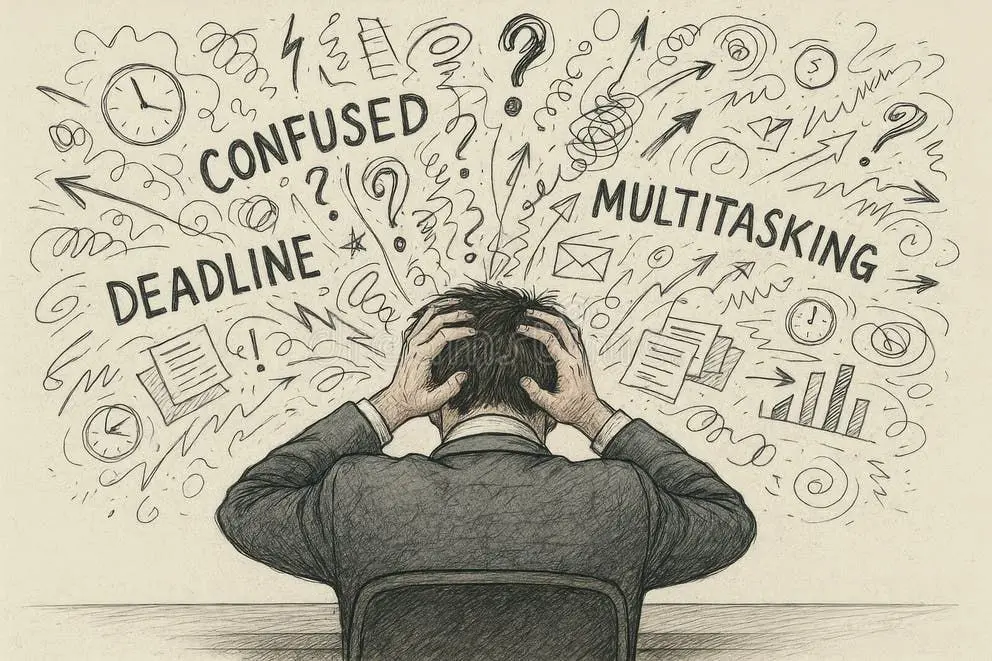
- Overwhelming number of options can confuse learners
- Internet dependency for access
- Not all certificates are recognized by employers
Common Mistakes to Avoid
Many learners make mistakes when using online course platforms. One common mistake is choosing too many courses at once. This leads to confusion and incomplete learning.
Another mistake is ignoring course reviews. Always check feedback before enrolling.
Some learners also stop practicing after watching videos. This reduces learning effectiveness.
Finally, many people fail to stay consistent. Without discipline, even the best courses become useless.
FAQs
1. What is the best online course platform for beginners?
Platforms like Udemy and Coursera are great for beginners because they offer structured and easy-to-understand courses.
2. Are online course certificates valuable?
Yes, certificates can be valuable for job applications and skill validation, especially from recognized platforms.
3. Can I learn without paying money?
Yes, many platforms offer free courses, although premium courses provide more detailed content.
4. How long does it take to complete an online course?
It depends on the course. Some take a few hours, while others may take weeks or months.
5. Do I need technical skills to use these platforms?
No, most platforms are user-friendly and designed for all skill levels.
6. Can online courses replace traditional education?
They cannot fully replace traditional education but are excellent for skill development and career growth.
Expert Tips & Bonus Points
To get the most out of online course platforms, focus on consistency and practice. Do not just watch videos; apply what you learn.
Choose one platform at a time instead of jumping between multiple platforms. This helps you stay focused.
Join online communities related to your course. This improves learning through discussions and networking.
Set realistic goals and track your progress regularly. This keeps you motivated.
Conclusion
Online course platforms have revolutionized education by making learning accessible, flexible, and affordable for everyone. Whether you want to upgrade your career, learn new skills, or explore personal interests, these platforms provide endless opportunities.
The best part is that you can learn at your own pace without pressure. However, success depends on consistency, practice, and choosing the right platform. With so many options available, it is important to evaluate your goals and select courses that match your needs.
In today’s digital world, continuous learning is essential. Skills that are in demand today may change tomorrow, and online learning helps you stay ahead. By using these platforms wisely, you can build a strong foundation for personal and professional growth.
